






Caffè della VerGOGNA – edizione del 10 Settembre 2026
Barbara Berlusconi ha definito intollerabili le accuse di Giovanni Brusca, e il legale della famiglia ha ricordato che l’inattendibilità del pentito è già stata accertata in altre sentenze. Il processo fiorentino a Salvatore Baiardo si è trasformato in un tribunale postumo su Silvio Berlusconi e Marcello Dell’Utri, due uomini che non sono imputati e che non possono difendersi. Brusca ha ammesso di non aver mai visto né conosciuto l’imputato, e la sua audizione è servita soltanto a riproporre teoremi già archiviati. La figlia del fondatore di Forza Italia ha parlato di damnatio memoriae, e ha promesso che la famiglia continuerà a difendere il Cavaliere ogni volta che sarà necessario. I morti, in Italia, hanno una sola colpa: quella di non poter replicare.
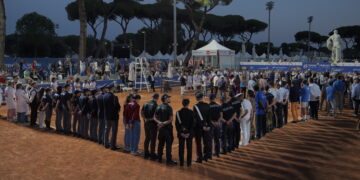
A Squinzano si sono celebrati i funerali di Lorena Isceri, la donna uccisa dall’ex compagno e lanciata dal viadotto dell’A1. L’avvocato della famiglia ha detto che qualcuno potrebbe aver letto male il momento di criticità dello psichiatra che aveva in cura Federico Vella, e che forse poteva essere fatto qualcosa. I consulenti impiegheranno novanta giorni per stabilire se Lorena fosse viva quando è stata scaraventata nel vuoto, dopo essere stata percossa nel garage e caricata nel bagagliaio. Il padre Franco ha chiesto che quella di sua figlia sia l’ultima vittima, e la politica ha risposto con i comunicati di rito. Le leggi, intanto, restano al palo, e il dolore di un genitore continua a scontrarsi con la lentezza delle istituzioni.
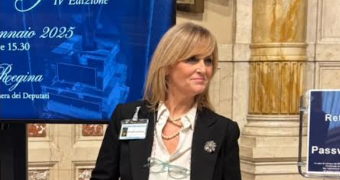
La Camera dei deputati ha riaperto i battenti con terminali touch screen, Qr code e telecamere in alta definizione. I deputati potranno votare toccando uno schermo, consultare l’ordine del giorno e accedere ai documenti tramite codice. I capigruppo avranno informazioni aggiuntive sulle percentuali di partecipazione e sui voti espressi da ciascuno. L’aula di Montecitorio, rinnovata durante l’estate, è pronta a ospitare la ripresa dei lavori con strumenti che rendono la politica più moderna e più trasparente, almeno in apparenza. Resta da capire se la tecnologia basterà a colmare il vuoto di idee che da anni attraversa i banchi.
Pedro Sanchez ha rivendicato otto anni di governo, e ha colto l’occasione per pungere Giorgia Meloni, che celebra tre anni e mezzo a Palazzo Chigi. Il premier spagnolo ha ricordato di aver visto molti primi ministri britannici, francesi e italiani lasciare il proprio incarico, e ha rivendicato la stabilità del suo esecutivo come ragione della crescita spagnola, quattro volte superiore alla media europea. La tensione tra Roma e Madrid, innescata dalla sospensione di Schengen dopo la crisi di Ceuta, continua a covare sotto la cenere, e le parole di Sanchez suonano come una lezione impartita a distanza. La Spagna, intanto, si prepara alle elezioni del 2027, e il premier socialista ha già annunciato che le terrà nel momento più opportuno per l’interesse generale.
Donald Trump ha tenuto un comizio di due ore a Dallas, aprendo la prima convention repubblicana per le elezioni di midterm mai organizzata da un partito. Ha promesso cinquemila dollari a ogni cittadino americano adulto se i Repubblicani conquisteranno Camera e Senato, e ha battezzato la misura «Trump dividend». Ha attaccato i Democratici, ha evocato Charlie Kirk, ha minacciato l’Iran con un colpo a Pickaxe Mountain, e ha ribadito che lo Stretto di Hormuz dovrebbe chiamarsi Stretto di Trump. La convention, ribattezzata dai media «Trump-a-palooza», ha visto il nome del presidente pronunciato centosettantuno volte, più di qualsiasi altra parola tranne America. Il culto della personalità, negli Stati Uniti, ha trovato la sua liturgia.
Volodymyr Zelensky è arrivato in Canada dopo la tappa in Norvegia e Moldova, e una fonte della presidenza ucraina ha definito esagerata la ricostruzione secondo cui il suo volo avrebbe corso un pericolo diretto per l’incursione di un drone russo. L’esercito di Mosca ha colpito due navi mercantili dirette al porto di Odessa, insieme a un rimorchiatore di scorta e a un deposito di droni a Mykolaiv. Il ministero della Difesa russo ha rivendicato gli attacchi contro centri logistici e infrastrutture portuali, mentre Kiev continua a chiedere armi e difese aeree all’Occidente. La guerra, giunta al quarto anno e mezzo, continua a mietere vittime e a distruggere infrastrutture, e i negoziati annunciati con enfasi si trasformano ogni volta in una nuova tregua di settantadue ore.
L’intelligence russa ha annunciato di aver sventato un attentato contro l’ambasciatore britannico a Mosca, arrestando una guardia di sicurezza dell’ambasciata accusata di lavorare per i servizi ucraini. Secondo l’Fsb, l’uomo raccoglieva informazioni sui diplomatici allo scopo di preparare atti di sabotaggio e terrorismo, con l’obiettivo di trascinare la Gran Bretagna in un conflitto diretto con la Russia. Londra non ha replicato, ma la notizia arriva nello stesso giorno in cui il Regno Unito ha stanziato cento milioni di sterline per la difesa aerea ucraina. La guerra ibrida, tra spie, droni e sabotaggi, si combatte ormai in ogni angolo d’Europa, e nessuno sa più dove finisce la propaganda e dove comincia la verità.
Il caffè della vergogna, stamattina, sa di inchiostro e di polvere da sparo, di schermi touch e di pentiti che parlano da uomini liberi. Berlusconi viene processato da morto, Lorena Isceri attende giustizia, Sanchez celebra il proprio primato, Trump promette dividendi, e Zelensky vola tra un funerale e un incontro diplomatico. Il mondo, in questo settembre, è un mosaico di vetri rotti, e ogni tessera riflette una luce diversa.
Leonardo Sciascia, Il giorno della civetta, Einaudi, Torino, 1961
Hannah Arendt, Verità e politica, Bollati Boringhieri, Torino, 2004
Zygmunt Bauman, La solitudine del cittadino globale, Feltrinelli, Milano, 2000
Susan Sontag, Davanti al dolore degli altri, Mondadori, Milano, 2003
Elias Canetti, Massa e potere, Adelphi, Milano, 1981
Primo Levi, I sommersi e i salvati, Einaudi, Torino, 1986
Michel Foucault, Sorvegliare e punire, Einaudi, Torino, 1976

The Dividend and the Empty Chair Caffè della VerGOGNA, September 10, 2026 edition
Barbara Berlusconi has called the accusations of Giovanni Brusca intolerable, and the family’s lawyer recalled that the turncoat’s unreliability has already been established in other rulings. The Florentine trial of Salvatore Baiardo has turned into a posthumous tribunal over Silvio Berlusconi and Marcello Dell’Utri, two men who are not defendants and cannot defend themselves. Brusca admitted he had never seen or known the defendant, and his testimony served only to resurrect theories already filed away. The daughter of the founder of Forza Italia spoke of a damnatio memoriae, and promised that the family will continue to defend the Cavaliere whenever necessary. In Italy, the dead have only one fault: that of being unable to reply.
In Squinzano, the funeral of Lorena Isceri was celebrated — the woman killed by her ex-partner and thrown from the A1 viaduct. The family’s lawyer said that someone may have misread the critical moment of the psychiatrist who was treating Federico Vella, and that perhaps something could have been done. Court-appointed experts will take ninety days to establish whether Lorena was alive when she was hurled into the void, after being beaten in the garage and loaded into the trunk. Her father Franco asked that his daughter be the last victim, and politics responded with the customary press releases. Meanwhile, the laws remain stalled, and a parent’s grief continues to collide with the slowness of institutions.
The Chamber of Deputies has reopened its doors with touch-screen terminals, QR codes, and high-definition cameras. Deputies will be able to vote by touching a screen, consult the order of business, and access documents via code. Group leaders will receive additional information on attendance percentages and on the votes cast by each member. The Chamber at Montecitorio, renovated over the summer, is ready to host the resumption of proceedings with tools that make politics more modern and more transparent — at least in appearance. What remains to be seen is whether technology will be enough to fill the void of ideas that has run through its benches for years.
Pedro Sánchez claimed credit for eight years in government, and seized the occasion to needle Giorgia Meloni, who is celebrating three and a half years at Palazzo Chigi. The Spanish premier recalled having watched many British, French, and Italian prime ministers leave office, and claimed the stability of his executive as the reason for Spain’s growth, four times above the European average. The tension between Rome and Madrid, triggered by the suspension of Schengen after the Ceuta crisis, continues to smolder beneath the ashes, and Sánchez’s words sound like a lesson administered from a distance. Spain, meanwhile, is preparing for the 2027 elections, and the socialist premier has already announced that he will call them at the most opportune moment for the general interest.
Donald Trump held a two-hour rally in Dallas, opening the first midterm-election Republican convention ever organized by a party. He promised five thousand dollars to every adult American citizen if the Republicans win the House and Senate, and christened the measure the “Trump dividend.” He attacked the Democrats, invoked Charlie Kirk, threatened Iran with a strike on Pickaxe Mountain, and reiterated that the Strait of Hormuz should be called the Strait of Trump. The convention, renamed “Trump-a-palooza” by the media, saw the president’s name pronounced one hundred seventy-one times — more than any other word except America. The cult of personality, in the United States, has found its liturgy.
Volodymyr Zelensky arrived in Canada after stops in Norway and Moldova, and a source from the Ukrainian presidency described as exaggerated the account that his flight had faced direct danger from a Russian drone incursion. Moscow’s army struck two merchant ships headed to the port of Odessa, along with an escort tugboat and a drone depot at Mykolaiv. The Russian Defense Ministry claimed the attacks against logistics centers and port infrastructure, while Kyiv continues to ask the West for weapons and air defenses. The war, now in its fourth and a half year, continues to reap victims and destroy infrastructure, and the negotiations announced with fanfare turn each time into a fresh seventy-two-hour truce.
Russian intelligence announced that it had foiled an attack against the British ambassador in Moscow, arresting an embassy security guard accused of working for the Ukrainian services. According to the FSB, the man was gathering information on diplomats in order to prepare acts of sabotage and terrorism, with the aim of dragging Britain into a direct conflict with Russia. London did not respond, but the news arrives on the same day the United Kingdom allocated one hundred million pounds for Ukrainian air defense. Hybrid warfare — with its spies, drones, and sabotage — is now fought in every corner of Europe, and no one can tell anymore where the propaganda ends and the truth begins.
The coffee of shame, this morning, tastes of ink and gunpowder, of touch screens and informers who speak as free men. Berlusconi is being tried from beyond the grave, Lorena Isceri awaits justice, Sánchez celebrates his record, Trump promises dividends, and Zelensky flies between a funeral and a diplomatic meeting. The world, in this September, is a mosaic of broken glass, and every shard reflects a different light.
Leonardo Sciascia, The Day of the Owl, Einaudi, Turin, 1961 Hannah Arendt, Truth and Politics, Bollati Boringhieri, Turin, 2004 Zygmunt Bauman, Loneliness of the Global Citizen, Feltrinelli, Milan, 2000 Susan Sontag, Regarding the Pain of Others, Mondadori, Milan, 2003 Elias Canetti, Crowds and Power, Adelphi, Milan, 1981 Primo Levi, The Drowned and the Saved, Einaudi, Turin, 1986 Michel Foucault, Discipline and Punish, Einaudi, Turin, 1976