





Caffè della VerGOGNA – edizione del 26 Settembre 2026
Un alano tedesco ha masticato lo smartphone lasciato sul divano dal proprietario e, grazie alla composizione automatica delle chiamate d’emergenza, ha avviato una telefonata al 112. Gli operatori hanno ascoltato soltanto affanni e rumori strani, hanno inviato una squadra di soccorso e i vigili del fuoco hanno trovato la casa vuota e il cane in attesa. Il padrone era assente, l’animale era solo, e quel morso involontario ha prodotto la più efficace richiesta d’aiuto che si potesse immaginare. Gli alani, che di solito non brillano per discrezione, hanno dimostrato di poter sostituire un essere umano in difficoltà con la stessa inconsapevolezza con cui gli esseri umani lo sostituiscono ogni giorno.
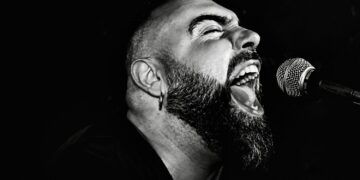
A Varsavia si è tenuta la tradizionale gara d’imitazione del canto degli uccelli, e il vincitore, un concorrente di nome Rosiewicz, ha conquistato la giuria con un’esibizione che imitava alla perfezione la voce di un pennuto urbano. Decine di partecipanti si sono cimentati in cinguettii e trilli, e il video del vincitore è diventato virale sui social. In un continente che discute di riarmo e di confini, un uomo che imita un passero rappresenta la resistenza più mite e più ostinata alla serietà della politica, e la sua voce, per una sera, ha contato più di mille discorsi.
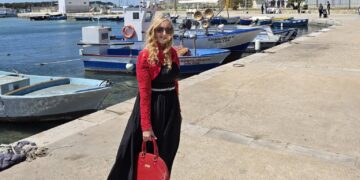
In Kenya, l’ex sacerdote missionario Sandro Ferretto ha sposato Sharon Jepng’ok con una cerimonia che ha seguito il Koito, la complessa e coloratissima tradizione nuziale locale. I filmati delle danze sono rimbalzati sul web, e la storia di un uomo che ha lasciato il sacerdozio per scegliere una vita diversa, in un Paese che non è il suo, ha il sapore di un romanzo che nessuno aveva ancora scritto. Le nozze, quando sono vere, non hanno bisogno di omelie per essere sante.
In Francia, un videomaker ha generato con l’intelligenza artificiale un video che mostrava centinaia di cimici gigantesche arrampicate sui vagoni della metropolitana di Parigi, e il filmato ha provocato ore di panico e chiamate ai centralini municipali prima che le autorità chiarissero che si trattava di un rendering. L’immagine, per quanto falsa, ha sfruttato una paura reale, quella delle cimici che da anni infestano le case e gli alberghi d’Europa, e ha dimostrato quanto sia facile manipolare le folle con un file creato in pochi minuti. La bugia, quando cavalca un terrore autentico, viaggia più veloce della smentita.
Su un volo a lungo raggio, un passeggero ha insistito con aggressività con gli assistenti per ottenere un secondo bicchiere pieno di ghiaccio per la sua bevanda, ed è stato scortato dalla polizia di frontiera all’atterraggio per condotta molesta e turbativa della sicurezza di bordo. La notizia, che circola nei forum dei viaggiatori, fa sorridere per l’apparente sproporzione, ma ricorda che a bordo di un aereo le regole non si negoziano, e che la pretesa di un cubetto in più, quando si trasforma in arroganza, può costare una scorta armata. Il ghiaccio, in questo caso, è stato il pretesto, non la causa.
In Massachusetts, un uomo sospettato di una serie di furti in appartamento è stato tradito dai dati del proprio smartwatch, sequestrato dagli inquirenti. I picchi nei battiti cardiaci e il tracciamento Gps dell’applicazione fitness coincidevano esattamente con i minuti e i luoghi in cui venivano svaligiate le abitazioni, e i poliziotti hanno trovato una prova biometrica che il ladro non aveva previsto. Il cuore, che batte più forte quando si commette un crimine, ha consegnato alla giustizia un uomo che credeva di aver pianificato tutto. La tecnologia, che promette di liberarci, ci segue passo passo, e il corpo, quando si agita, lascia tracce che nessun cappuccio può coprire.
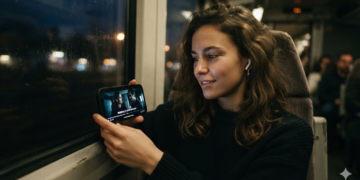
A Londra, un ristorante di tendenza ha introdotto un sovrapprezzo del dieci per cento per i clienti che rifiutano di riporre i propri telefoni in una scatola bloccata all’ingresso durante la cena. La trovata ha scatenato una bufera online tra chi la considera un’estorsione e chi la vede come una campagna di decondizionamento digitale. Chi vuole cenare in pace paga di più, chi vuole restare connesso paga lo stesso, e il ristorante, nel dubbio, incassa da entrambi. La lotta alla dipendenza da smartphone è diventata un business, e la libertà di scelta, quando viene tassata, si trasforma in un servizio a pagamento.
Il caffè della vergogna, stamattina, sa di guinzaglio e di cinguettii, di cimici digitali e di cubetti di ghiaccio. Un cane chiama i soccorsi masticando un telefono, un uomo imita un passero a Varsavia, un ex prete si sposa in Kenya, un videomaker semina il panico in Francia, un passeggero molesto finisce scortato, un ladro viene tradito dal proprio cuore, e un ristorante londinese vende il silenzio a peso d’oro. Nessuno di questi fatti cambierà la storia del mondo, ma tutti insieme dicono qualcosa su come stiamo vivendo: con più tecnologia e meno pazienza, con più paure e meno certezze, con un alano che, senza saperlo, è stato l’unico a comportarsi da essere umano.
Primo Levi, Storie naturali, Einaudi, Torino, 1966
Konrad Lorenz, L’anello di re Salomone, Adelphi, Milano, 1967
Neil Postman, Divertirsi da morire, Marsilio, Venezia, 2002
Zygmunt Bauman, Consumo, dunque sono, Laterza, Roma-Bari, 2008
Italo Calvino, Le cosmicomiche, Einaudi, Torino, 1965
Umberto Eco, Diario minimo, Bompiani, Milano, 1963
Sherry Turkle, Insieme ma soli, Einaudi, Torino, 2012

The Great Dane and the Ice Caffè della VerGOGNA — September 26, 2026 Edition
A German Great Dane chewed on a smartphone its owner had left on the couch and, thanks to the automatic emergency-call composition, dialed 112. Operators heard only heavy breathing and strange noises, dispatched a rescue team, and the firefighters found the house empty and the dog waiting. The owner was away, the animal was alone, and that involuntary bite produced the most effective cry for help imaginable. Great Danes, who are not ordinarily known for their discretion, proved they can substitute for a human in distress with the same unawareness with which humans substitute themselves for one another every day.
In Warsaw, the traditional bird-call imitation competition was held, and the winner, a contestant named Rosiewicz, conquered the jury with a performance that perfectly mimicked the voice of an urban feathered creature. Dozens of participants tried their hand at chirps and trills, and the video of the winner went viral on social media. In a continent debating rearmament and borders, a man imitating a sparrow represents the gentlest and most stubborn resistance to the seriousness of politics, and his voice, for one evening, counted more than a thousand speeches.
In Kenya, former missionary priest Sandro Ferretto married Sharon Jepng’ok in a ceremony that followed the Koito, the complex and wonderfully colorful local wedding tradition. Footage of the dances ricocheted across the web, and the story of a man who left the priesthood to choose a different life, in a country not his own, has the flavor of a novel no one had written yet. Weddings, when they are true, need no homilies to be holy.
In France, a videomaker used artificial intelligence to generate a video showing hundreds of gigantic bedbugs crawling over the cars of the Paris metro, and the footage triggered hours of panic and calls to municipal hotlines before the authorities clarified it was a rendering. The image, however fake, exploited a real fear—that of the bedbugs which for years have infested Europe’s homes and hotels—and demonstrated how easy it is to manipulate crowds with a file created in a matter of minutes. A lie, when it rides an authentic terror, travels faster than the rebuttal.
On a long-haul flight, a passenger aggressively insisted with the cabin crew to obtain a second glass full of ice for his drink, and was escorted off the plane by border police upon landing for disruptive conduct and endangering onboard safety. The news, circulating in travelers’ forums, raises a smile for its apparent disproportion, but it reminds us that on board an airplane the rules are not negotiable, and that the demand for one extra cube, when it turns into arrogance, can cost an armed escort. The ice, in this case, was the pretext, not the cause.
In Massachusetts, a man suspected in a series of apartment burglaries was betrayed by data from his own smartwatch, seized by investigators. The spikes in his heart rate and the GPS tracking from the fitness app matched exactly the minutes and locations in which homes were being robbed, and the police found a biometric piece of evidence the thief had never anticipated. The heart, which beats faster when a crime is committed, delivered to justice a man who believed he had planned everything. Technology, which promises to set us free, follows us step by step, and the body, when it grows agitated, leaves traces no hood can cover.
In London, a trendy restaurant introduced a ten-percent surcharge for customers who refuse to store their phones in a lockbox at the entrance during dinner. The gimmick ignited an online firestorm between those who consider it extortion and those who see it as a digital deconditioning campaign. Whoever wants to dine in peace pays more, whoever wants to stay connected pays just the same, and the restaurant, in doubt, collects from both. The fight against smartphone addiction has become a business, and freedom of choice, when it is taxed, turns into a paid service.
This morning’s coffee of shame tastes of leash and birdsong, of digital bedbugs and ice cubes. A dog calls for help by chewing a phone, a man imitates a sparrow in Warsaw, a former priest marries in Kenya, a videomaker sows panic in France, an unruly passenger ends up escorted away, a thief is betrayed by his own heart, and a London restaurant sells silence at a premium. None of these events will change the course of history, but together they say something about how we are living: with more technology and less patience, more fears and fewer certainties, with a Great Dane that, without knowing it, was the only one to behave like a human being.
Primo Levi, Natural Histories, Einaudi, Turin, 1966 Konrad Lorenz, King Solomon’s Ring, Adelphi, Milan, 1967 Neil Postman, Amusing Ourselves to Death, Marsilio, Venice, 2002 Zygmunt Bauman, Consuming Life, Laterza, Rome-Bari, 2008 Italo Calvino, The Cosmicomics, Einaudi, Turin, 1965 Umberto Eco, Diario minimo, Bompiani, Milan, 1963 Sherry Turkle, Alone Together, Einaudi, Turin, 2012